Standard series
FR3
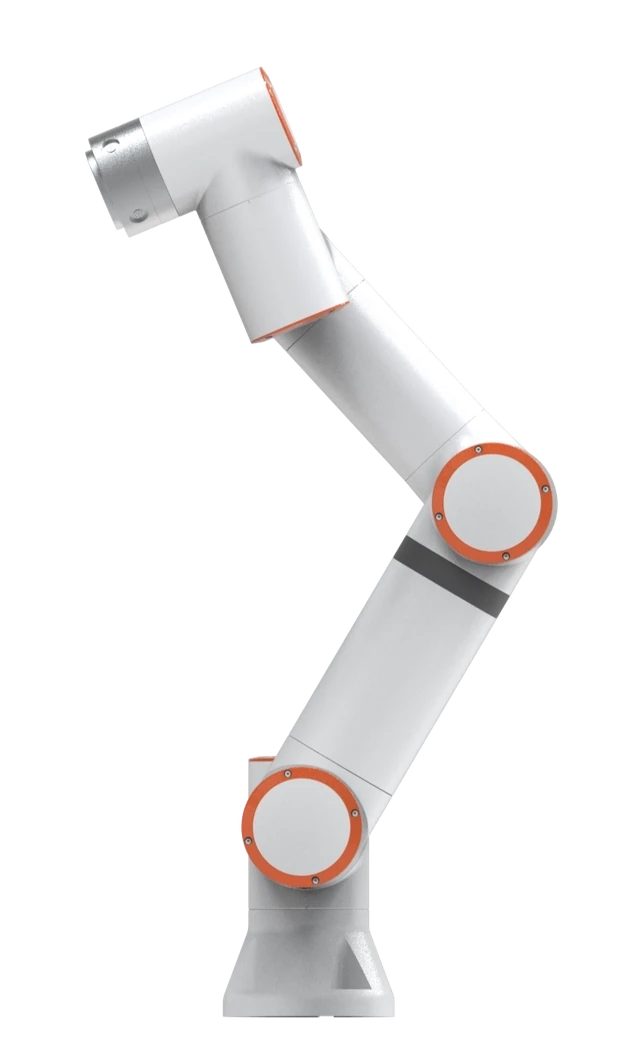
Payload3 kg
Reach622 mm
A compact 3 kg arm for precise handling and tight workspaces.
Explore FR3Evaluate part handling, access, machine communication, and recovery alongside the robot itself.
List blank and finished-part dimensions, weight, variation, and the surfaces available for gripping. Flag delicate or difficult-to-handle parts.
Identify the machine model, door operation, workholding, cycle-start logic, and signals available for a controlled handoff.
Decide how blanks arrive, how finished parts leave, and how the system will detect missing or misoriented parts.
Document tool changes, alarms, chip buildup, rejected parts, and the intended operator recovery process.
Bring your part, process, and production goals. Get practical guidance on robot selection and the complete application.
Request a consultationExplore these configurations, then review the tooling, layout, and complete cell requirements for your process.
A compact 3 kg arm for precise handling and tight workspaces.
Explore FR3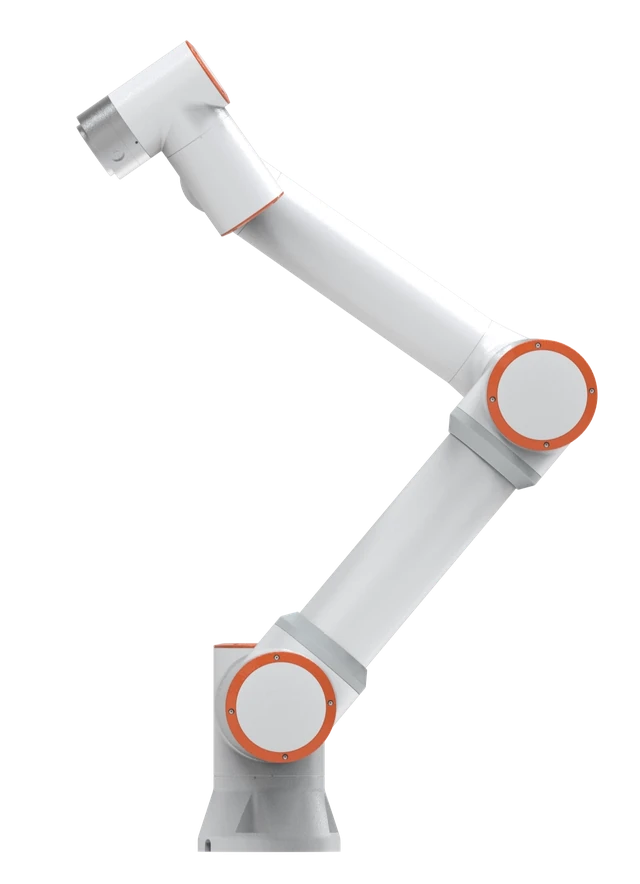
A versatile 5 kg arm with 922 mm reach for everyday automation.
Explore FR5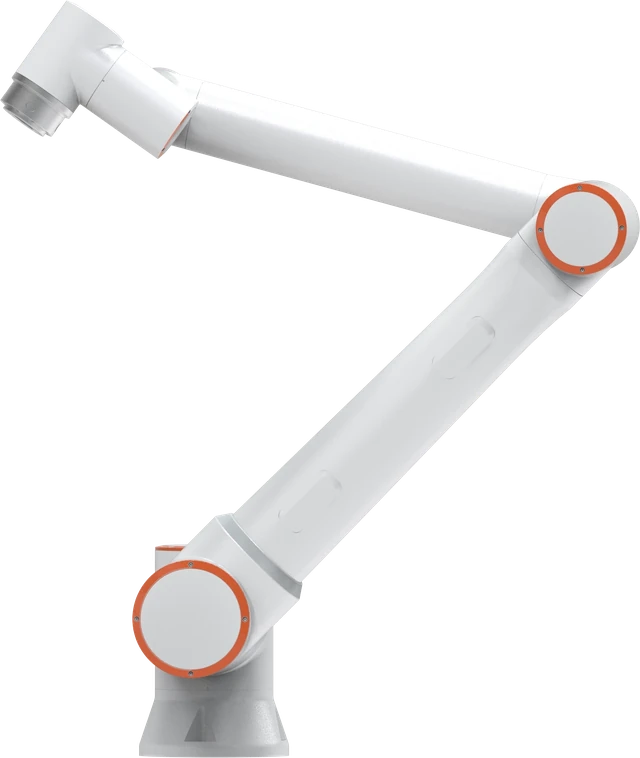
A 10 kg arm with 1,400 mm reach for a larger working envelope.
Explore FR10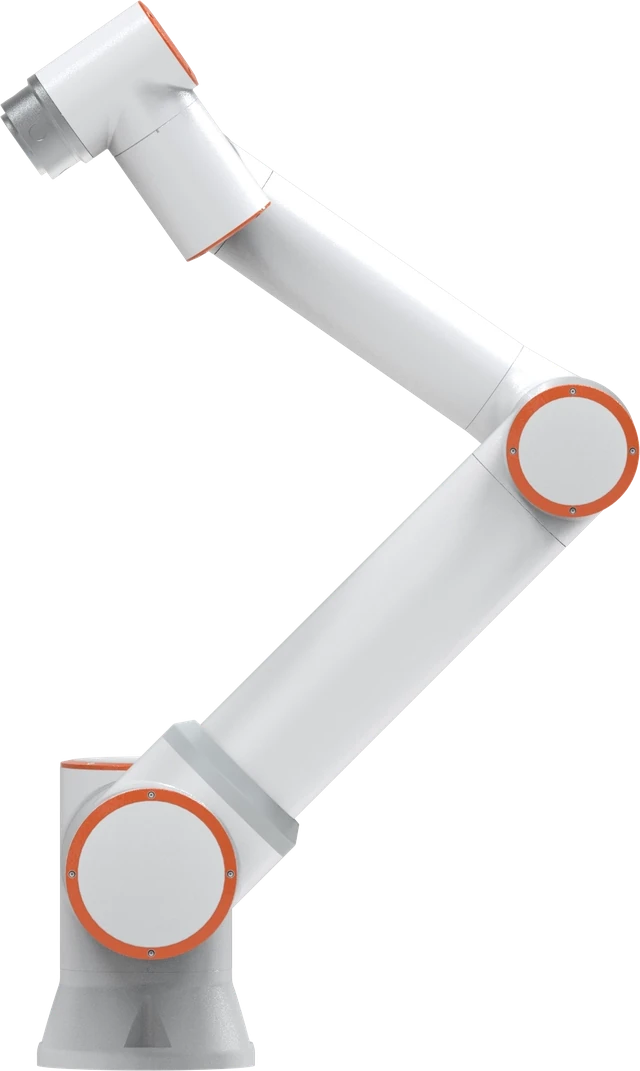
A 16 kg payload in a 1,034 mm working envelope.
Explore FR16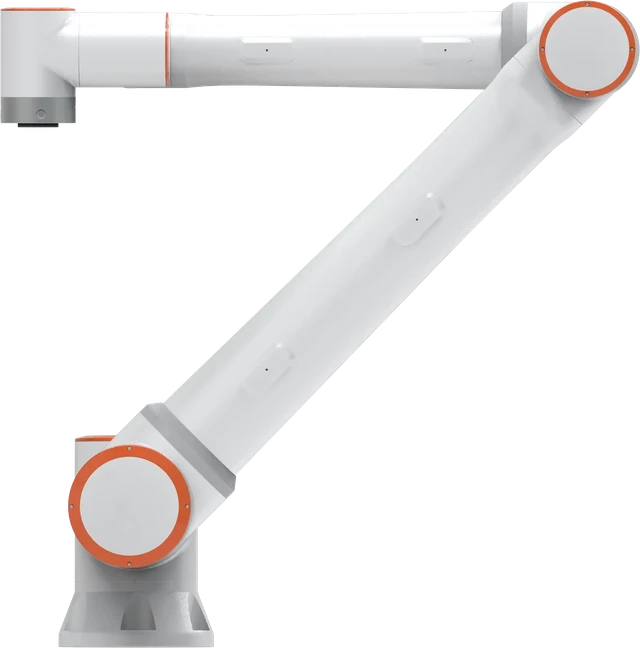
A 20 kg arm with 1,854 mm reach for larger parts and layouts.
Explore FR20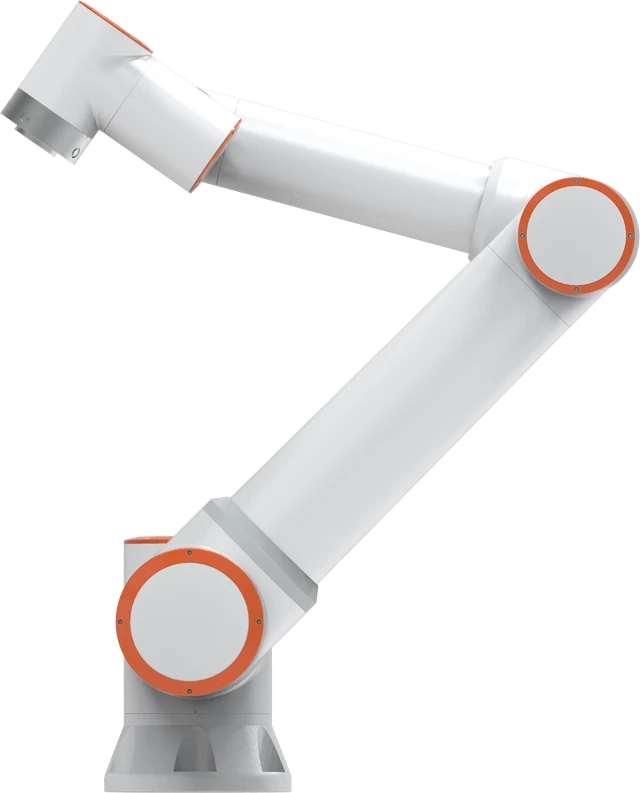
A 30 kg arm with 1,403 mm reach for heavier handling tasks.
Explore FR30Explore the full lineup or request a consultation to select a configuration for your process.
Have an application in mind? Start with a conversation about the parts, the process, and what a useful solution needs to do.
Use these guides to describe your process and prepare the questions you want to discuss.
Request a demo or consultation| Scope | Define before comparing prices |
|---|---|
| Machine access | Door opening, chuck or fixture access and the robot approach for each part. |
| Handling package | Single or dual gripper, part nests, cleaning and finished-part presentation. |
| Machine interface | Documented ready, cycle, clamp and fault signals plus restart ownership. |
| Acceptance | Good parts per shift with tool changes, inspection, replenishment and faults included. |
A machine-tending quote should separate the robot from machine modifications, grippers, part presentation and commissioning. Payback depends on additional accepted production and the remaining operator tasks, not on the machining cycle alone.
Evaluate machine utilization and payback, then discuss your automation project and the next step toward a demo or proposal.